
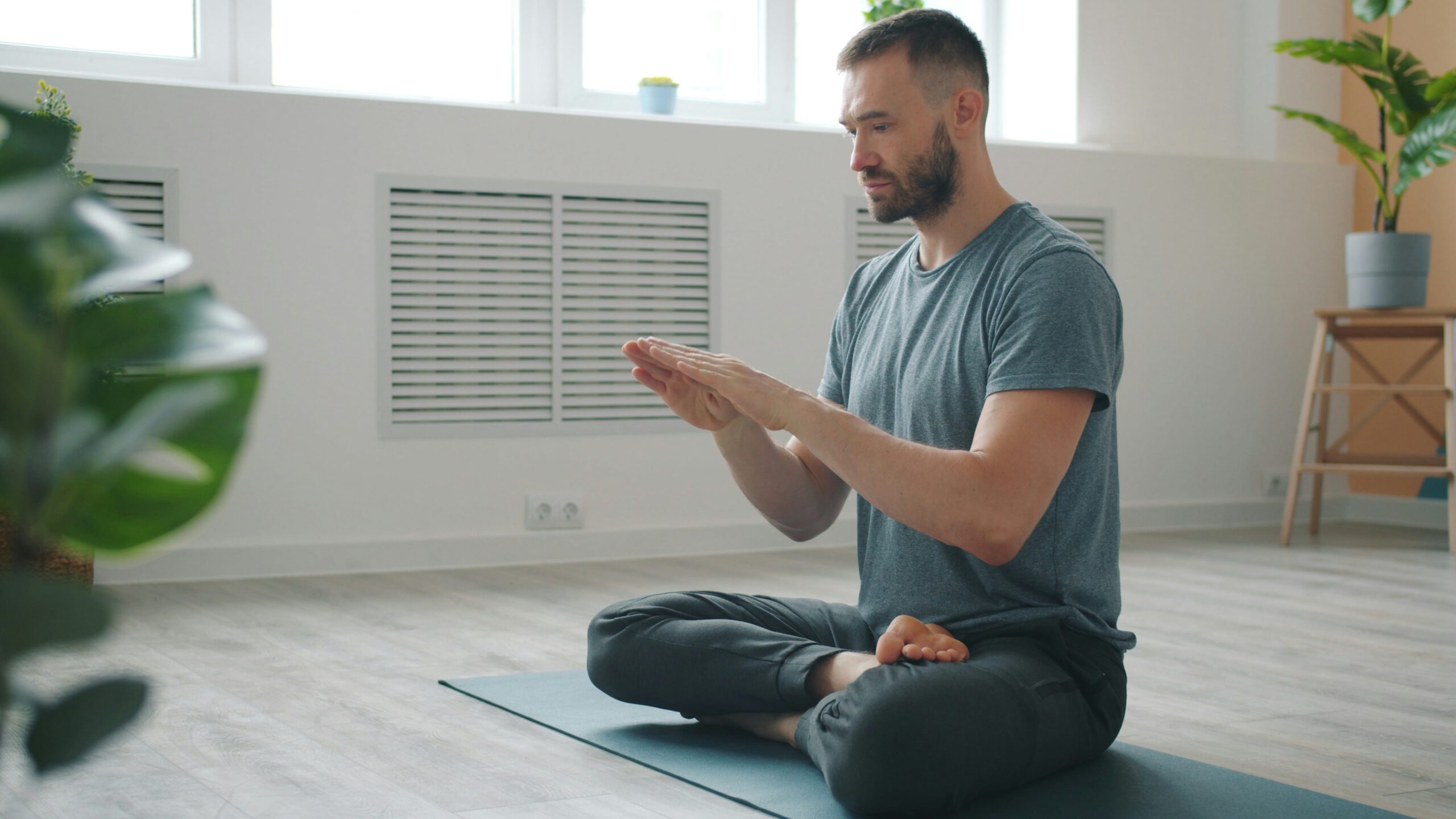
How to Treat Anxiety-Induced Migraines Naturally
Before I understood how to treat anxiety-induced migraines naturally, I used to feel helpless whenever a migraine hit. I tried to understand how it starts, it was the same way, like emotional overwhelm, racing thoughts, tight shoulders, and then that familiar pain behind my eyes. I realized that stress was the main culprit in my situation.
Not only me, but millions of people around the world go through stress, and migraines are one of the most common symptoms of it. Anxiety-induced migraines are our body’s response to chronic stress, nervous system overload, and emotional pressure. Understanding and learning about anxiety-induced migraines can help you recognize the cause early and treat it properly.
This article carries a list of 5 natural ways to treat migraines caused by stress and anxiety; reading it till the end would truly help you.
Why Anxiety Triggers Migraines in the First Place
To understand how to treat anxiety-induced migraines naturally, the first thing we need to do is to understand why anxiety actually causes them. I’ve written a detailed article on this, which I’ll mention at the end of the paragraph, but let’s explain it in a nutshell: our brain stays in survival mode when the anxiety becomes constant. This keeps the stress hormones increased, which increases the muscle tension, blood vessel sensitivity, and pain perception. Hence, our nervous system stays under a lot of pressure finding it difficult to relax.
Medical research from the American Migraine Foundation also confirms that stress-induced migraines are among the most common migraine types worldwide. If you’ve read Does Anxiety Cause Migraines? Why Stress Can Trigger Severe Head Pain, you would know about that in detail.
5 Ways to Treat Anxiety-Induced Migraines Naturally
As mentioned earlier, anxiety-induced migraines are not rare, and treating them is not rocket science. It’s all about these five simple ways you can add to your daily life to cope with your condition.
1. Calm Your Nervous System Before the Migraine Peaks
One of the most effective ways to treat anxiety-induced migraines naturally is to calm your nervous system early. Okay, here you’ll think “how would I know if anxiety is about to hit”. If you feel your chest tightening, tense muscles, or increased head pain, know that it can be anxiety.
So, when you feel anxiety symptoms, start with slow breathing, gentle stretching, and grounding exercises. These all tell your brain that the threat has passed. This can stop a stress-triggered migraine from fully developing. Harvard Health also confirms that regulating the nervous system can reduce migraine frequency over time.
If you’ve read my article, Breathing Techniques for Stress and Anxiety Relief You Can Do Anywhere, you’ll understand how breathing techniques can be a saviour.
If your anxiety symptoms mostly increase at night, you might find my article How to Reduce Nighttime Anxiety Fast, helpful.
2. Reduce Emotional Stress, Not Just Head Pain
Most people think that migraine is just about head pain, but it’s more about emotional overload. This pain that you feel can be a sign of unprocessed and untreated stress. So, how to treat anxiety-induced migraines naturally by reducing emotional stress?
Journaling helps me the most to reduce my mental load. However, taking a good morning walk, talking to your loved ones, painting, and cooking can all help in reducing stress and anxiety, which in turn can reduce anxiety-triggered migraines.
If you feel like anxiety is also causing other physical symptoms for you, you may relate to Does Anxiety Cause Chest Tightness?
3. Treat Anxiety-Induced Migraines by Improving Sleep Quality
Poor sleep is a major trigger for anxiety-induced migraines. Anxiety is said to disrupt deep sleep, which keeps the brain hyperactive even while you’re resting.
The Sleep Foundation confirms that irregular sleep patterns increase migraine risk.
Hence, learning to create a calming bedtime routine is essential in treating anxiety and migraines. Try to complete all your chores before 9pm and sleep with your lights off, a cozy blanket, and a journal by your side to write down your thoughts before going to sleep.
If overthinking disturbs you at night, read my article: Why I Can’t Stop Overthinking at Night — What It Really Means and How to Find Relief.
4. Release Muscle Tension Built by Anxiety
Anxiety often causes tight shoulders, neck stiffness, and jaw clenching, all of which can contribute to tension headaches and migraines. When your muscles stay tense for a longer period, it can lead to pain in your head.
According to Mayo Clinic, muscle tension in the neck and shoulders is a known reason for tension headaches and migraines.
So what can you do about it? Gentle neck stretches, warm compresses, slow breathing, and mindful meditation can help in releasing this stored tension. Relaxing your body will relax your muscles, hence calming your nervous system.
My article on How to Manage Stress for Better Physical Health carries useful ways to manage your emotional health.
5. Use Structured Support to Treat Anxiety-Induced Migraines Naturally
Sometimes, anxiety-induced migraines repeat because we mostly ignore the underlying anxiety patterns, and they go unaddressed. In this case, most people find structured guidance that’s focused on calming routines and regulating emotional well-being much more helpful.
Hence, many people trying to learn how to treat anxiety-induced migraines naturally find step-by-step support helpful, especially when migraines feel overwhelming. If anxiety keeps triggering your migraines, you may want to explore this anxiety support program that focuses on nervous-system calming and long-term coping strategies.
👉 Explore the Anxiety Support Program here
Disclosure: This is an affiliate link. I may earn a small commission at no extra cost to you.
Conclusion: How to Treat Anxiety-Induced Migraines Naturally
Understanding how to treat anxiety-induced migraines naturally changes everything. Migraines are not just head pains; they are actually our nervous system’s way of telling us that it needs some rest. Anxiety makes the brain sensitive to pain, light, sound, and even normal daily stress.
Understanding the reason behind migraines and incorporating the above ways into your routine can help you stop fearing migraines and start treating them properly. With gentle breathing, mindful meditation, improving sleep quality, and releasing muscle tension, your situation can become much more manageable, and the anxiety-induced migraines can become less intense and less frequent.
Frequently Asked Questions
Yes. Chronic anxiety keeps the nervous system overstimulated, increasing the likelihood of frequent or daily stress-induced migraines.
If migraines appear during emotional overwhelm, worry, panic, or after stressful periods, they are often anxiety-induced migraines.
Yes. With nervous-system regulation, stress management, and emotional support, many people see a significant reduction in migraine frequency.
Yes. Anxiety migraine symptoms often include nausea, dizziness, light sensitivity, and neck tension.
Not always. Many people successfully manage migraines by learning how to treat anxiety-induced migraines naturally, especially when anxiety is the main trigger.
Post Disclaimer
This article is for informational purposes only and does not constitute medical or psychological advice. Always consult a qualified mental health professional before making any health decisions.