How Can I Reduce Nighttime Anxiety Fast Without Medication?
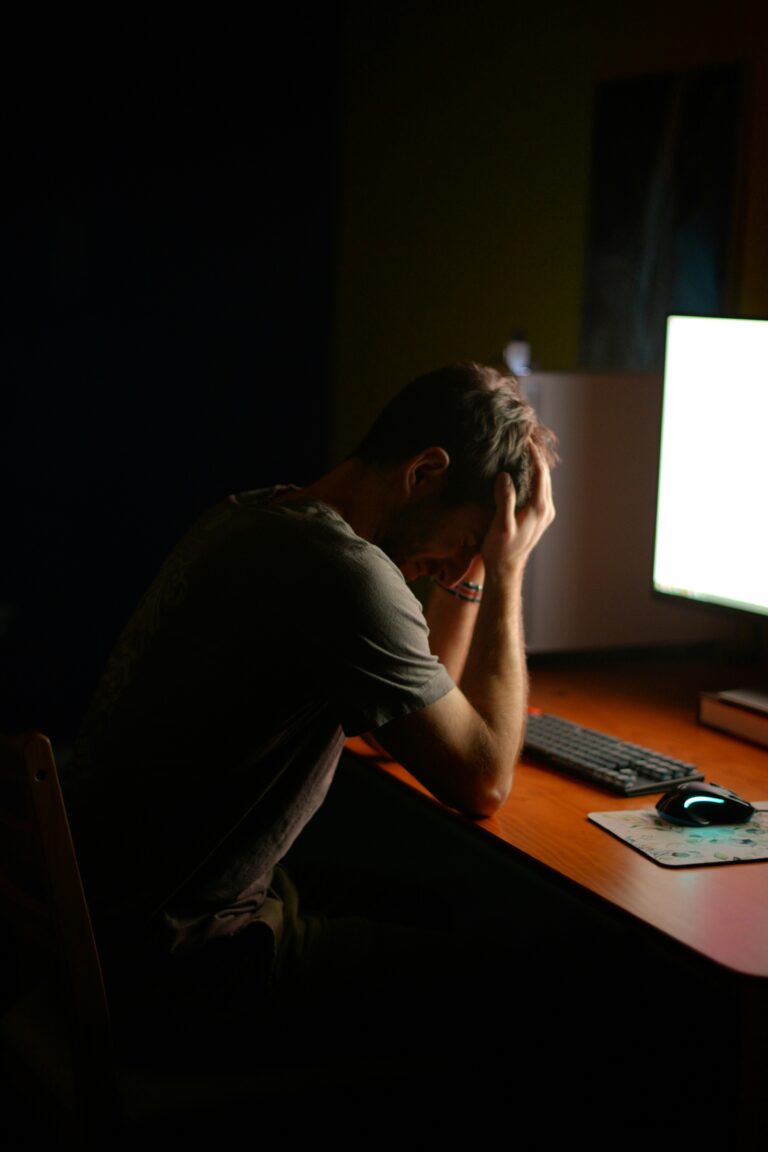
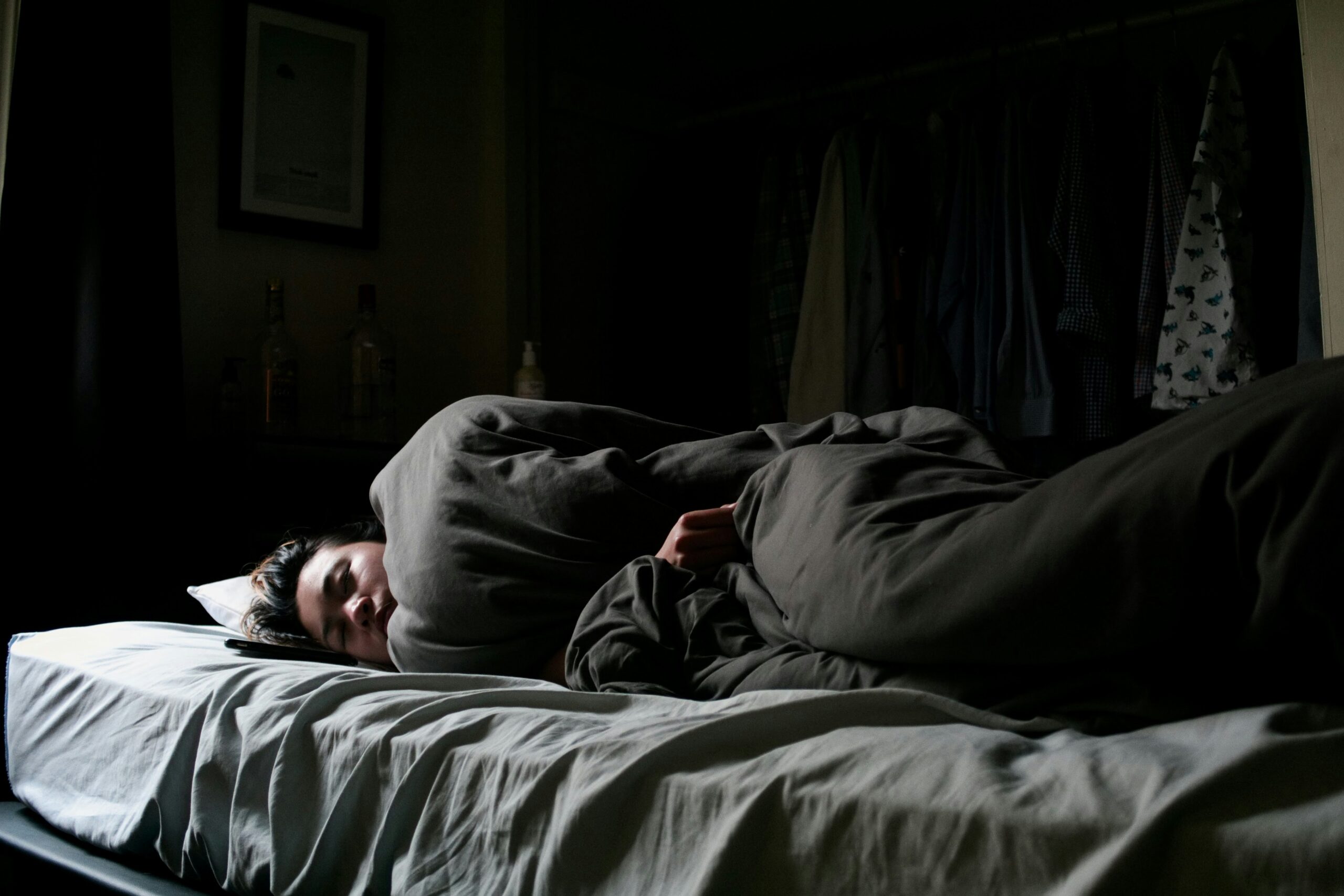
The nighttime anxiety usually starts quietly. When the lights are off, you’re tired, and you finally lie down to rest, thinking that tonight will be different. But instead of sleep, you feel your chest tightening, your heart beating faster, and thoughts racing and getting out of your control. This is what anxiety feels like, and in that moment, the only thing you’re desperately searching for is how to reduce nighttime anxiety fast.
The Sleep Foundation also confirms that anxiety and sleep problems reinforce each other, creating a loop that keeps many people awake night after night.
Well, nighttime anxiety is very confusing because nothing is wrong, yet everything feels wrong. And this is the confusion that I will resolve today in this article.
Before learning about the ways to reduce nighttime anxiety, understand why it gets worse at night in my article Why Anxiety Gets Worse at Night: Understanding the Nighttime Spike.
6 Effective Ways to Reduce Nighttime Anxiety Fast (That Actually Work)
1. Grounding Your Mind When Anxiety Pulls You Into the Future
The main problem with nighttime anxiety is that it drags your mind into the future and lets your mind overthink “What if I couldn’t sleep?”, “What if tomorrow goes wrong?”, etc. So, the best way to reduce nighttime anxiety is to practice the grounding technique because it brings your mind back to the present.
According to Anxiety Canada, grounding techniques calm the nervous system by shifting attention away from fear-based thinking.
How does grounding work? When you lie down to sleep, shift your attention to your senses. Notice the weight of your body sinking into the mattress, the temperature of the room, and the rhythm of your breathing. Slowly name three things you can physically feel, even something as simple as the fabric of your pillow. This will distract your mind and calm your anxiety symptoms. Just try it tonight.
If you go through panic attacks as well, read my article What Really Happens to Your Body During a Panic Attack – And How to Calm It Fast.
2. Reduce Nighttime Anxiety by Letting Anxious Thoughts Pass
As I mentioned earlier, our mind goes into a loop of unnecessary thoughts and causes overthinking at night. So, learning how to reduce nighttime anxiety fast means changing your relationship with those thoughts.
So, whenever an anxious thought appears in your mind, just don’t argue with it and don’t try to push it away. Silently acknowledge them with a phrase like, “I’m noticing an anxious thought,” rather than “This is true.” Imagine that thought is floating like a cloud instead of just grabbing onto it.
Harvard Health explains that this approach helps the brain to move away from threat mode and prepares the body for sleep.
Anxiety, if left untreated, can turn into depression. Yes, you can learn it through my article 5 Warning Signs Your Anxiety Is Turning Into Depression.
3. Using Slow Breathing to Calm Your Body Before Sleep
One of the best ways to reduce nighttime anxiety fast is the breathing technique. Breathing is said to be a reliable tool to calm bedtime anxiety.
So, when you feel your heart is racing or your body feels tense at night, place one hand on your chest and one on your belly. Slowly inhale through your nose, allowing your belly to rise, then exhale through your mouth longer than you inhaled. Focus more on the exhale, as it signals safety to the nervous system. Continue this for a few minutes without forcing anything.
The Cleveland Clinic confirms that slow breathing activates the parasympathetic nervous system, helping anxiety settle naturally within minutes.
I’ve listed the most effective breathing techniques in my article, Breathing Techniques for Stress and Anxiety Relief You Can Do Anywhere.
If you want to get rid of anxiety and depression, you can read my article 5 Sleep Habits That Improve Anxiety and Depression.
4. Reduce Nighttime Anxiety by Creating Mental Closure Before Bed
Creating closure is a very powerful part of how to reduce nighttime anxiety fast. Because when you lie down to sleep, all the unfinished thoughts and tasks come to your mind and create anxiety.
But how to create mental closure? Before getting into bed, take five to ten minutes to write down anything that feels unfinished, such as worries, tasks, emotions, or even reminders for the next day. This will help you unload your mind. Then remind yourself that you’ve already acknowledged these thoughts and can return to them tomorrow.
According to Harvard Health Publishing, writing down worries or unfinished tasks before bed helps the brain disengage from alert mode.
5. Talking to Yourself Gently When Anxiety Spikes at Bedtime
When you feel your anxiety is rising at night, notice how you speak to yourself. If your inner voice says things like “Why can’t I sleep?” or “Something is wrong with me,” gently replace them with reassurance. Say silently, “This is uncomfortable, but it’s not dangerous,” or “My body is trying to protect me.” Placing a hand on your chest while doing this can enhance the calming effect.
The fear of anxiety often keeps many people awake even longer than the anxiety itself does. So the self-assurance approach reduces insomnia-related anxiety very well.
6. Hidden Habits That Quietly Worsen Anxiety at Night
Many people unknowingly worsen nighttime anxiety through late-night screen use, caffeine, or stimulating content. And it’s one of the main problems.
Nighttime scrolling is known to be a major factor leading to anxiety. I’ve discussed it in detail here in my article “Does Social Media Increase Anxiety?“.
However, the Sleep Foundation confirms that screens and stimulation increase sleep anxiety, making it harder to unwind.
Well, I hope now you understand what’s actually triggering your anxiety at night. I’ve also written this post on how caffeine causes anxiety. Read it here: Can Caffeine Cause Anxiety? The Surprising Truth Behind Your Morning Coffee
Final Thoughts
Learning how to reduce nighttime anxiety fast isn’t about forcing sleep, but it’s about creating safety. When the body feels safe, the mind will feel safe too. From grounding technique to self-assurance, all these techniques work best when practiced consistently, not perfectly. There can be some nights when your anxiety may ease quickly, but other nights it may take longer.
I hope this article helped you. Do you know? Anxiety getting worse can lead to panic attacks at night. Read my article ”Why Panic Attacks Happen at Night? Here’s How to Regain Control in Minutes” if you’re going through this condition.
Frequently Asked Questions
Anxiety often worsens at night because distractions fade and the brain turns inward. Stress hormones like cortisol may remain elevated, and unresolved thoughts resurface, leading to racing thoughts, nighttime overthinking, and sleep anxiety.
You can reduce nighttime anxiety fast by grounding yourself in the present, practicing slow deep breathing, letting anxious thoughts pass without engaging them, and creating mental closure before bed. These techniques help calm the nervous system and signal safety to the brain.
Yes, nighttime anxiety is a common cause of insomnia. Anxiety keeps the nervous system alert, making it difficult to fall asleep or stay asleep, which can then worsen anxiety the following night.
If nighttime anxiety occurs most nights, leads to panic attacks, or significantly impacts your quality of life, it’s best to consult a mental health professional for guidance and support.
Post Disclaimer
This article is for informational purposes only and does not constitute medical or psychological advice. Always consult a qualified mental health professional before making any health decisions.