Does Anxiety Cause Migraines? Is Your Stress Triggering Severe Head Pain?
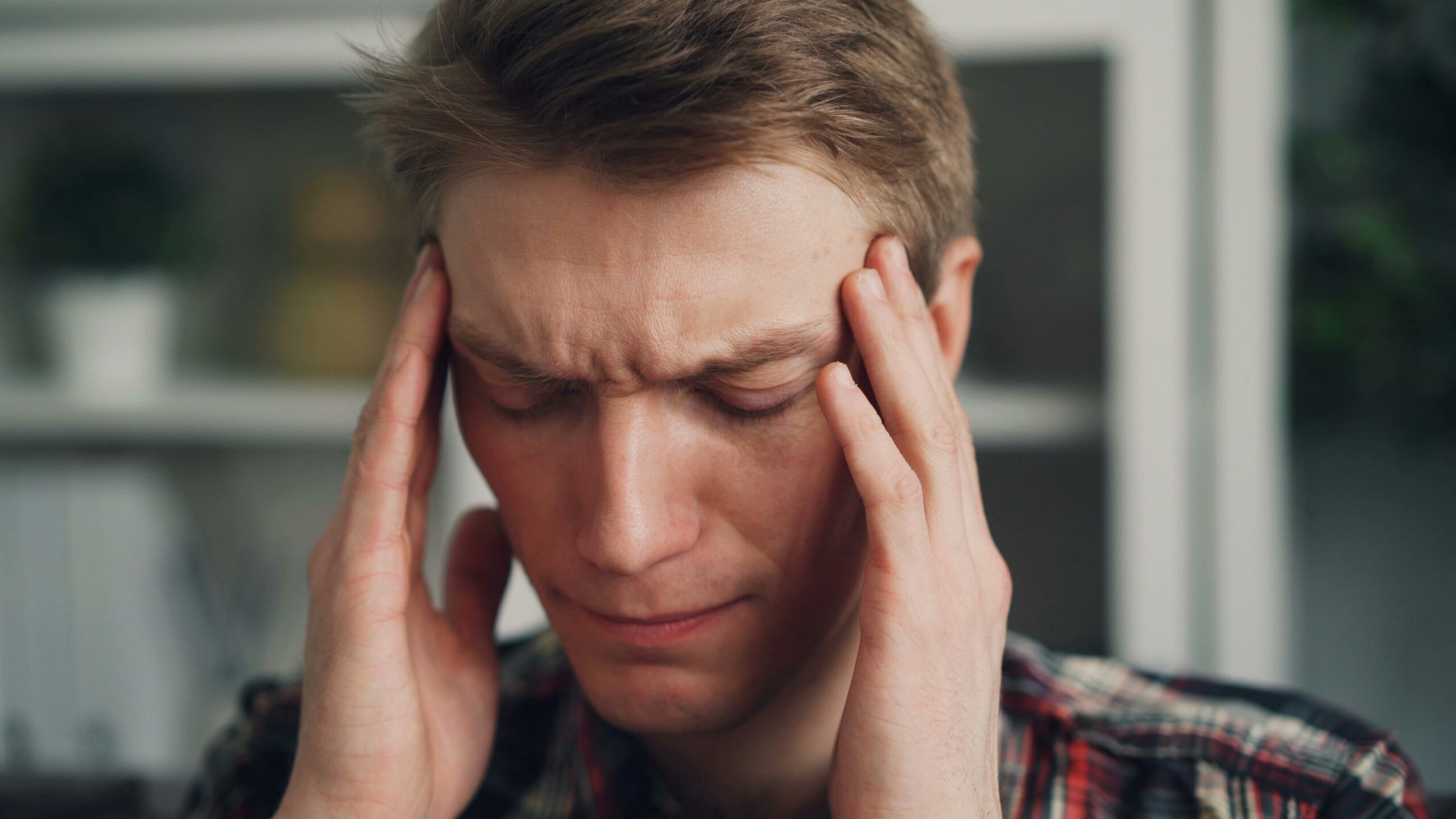
Before I researched anxiety migraine, I used to think that migraines came out of nowhere. Then I realized that the moment I get emotionally overwhelmed, a throbbing headache, sensitivity to light, and nausea take over my body. Like many others, I kept asking myself the same question again and again: Does Anxiety Cause Migraines?
The answer is yes. Anxiety and migraines are deeply connected, and for many people, stress-related migraines are very common when their nervous system gets overloaded. Understanding why anxiety migraines happen and how to calm them can really help you manage your lifestyle and live in peace.
That’s why I’ve detailed this article for you to help you recognize anxiety migraine and calm it. So read it till the end.
Does Anxiety Cause Migraines or Just Make Them Worse?
We might think that migraines start with head pain, but in reality, they start with chronic stress, emotional pressure, or ongoing worry. Our brain remains in a state of constant alert when anxiety becomes our daily issue. This gives the answer to Does Anxiety Cause Migraines?
Medical resources like the American Migraine Foundation also confirm that emotional stress is one of the most common migraine triggers in the world, especially in people with anxiety disorders. Not only migraines, but anxiety causes many other physical symptoms, such as chest tightness. If you’ve read Does Anxiety Cause Chest Tightness?, you’ll understand this better.
Anxiety Migraine Symptoms: More Than Just Head Pain
We might think that anxiety-related migraines come alone. But the reality is, there is not just severe head pain, but it’s accompanied by muscle tension, dizziness, nausea, and an overwhelming sense of fear during the situation itself. The sense of fear of the next attack worsens the condition.
This fear can make your legs feel weak and shaky. This is better discussed in my detailed article about anxiety-induced leg weakness: Why Anxiety Makes Your Legs Feel Weak And How To Calm It.
This cycle is similar to what happens during panic attacks, where physical sensations feel alarming and uncontrollable. I’ve explained this sensation in detail in my article What Really Happens to Your Body During a Panic Attack – And How to Calm It Fast.
Can Anxiety Cause Migraines at Night or Early Morning?
After understanding “does anxiety cause migraine?”, you might wonder if migraines are most likely to happen at night or in the morning. Let me explain this to you. Many people notice that when the silence of night strikes and there is no distraction, anxious thoughts increase, which increases the chances of migraine happening at night.
According to the Sleep Foundation, anxiety disrupts our sleep cycles and breathing patterns, which is the reason that increases the chances of nighttime migraines. If you want to explore in detail about nighttime anxiety, give this article a read: Why Anxiety Gets Worse at Night: Understanding the Nighttime Spike.
Why Chronic Stress Can Lead to Frequent Migraines
When our brain is in a constant state of stress and anxiety, our nervous system stays hyperactive and finds it difficult to settle down. This strain on our brains increases the frequency of migraines. If this stress remains untreated, the occasional migraines can turn into chronic migraines. Studies published in Headache: The Journal of Head and Face Pain also show that people with anxiety disorders are more likely to have chronic migraines.
So treating stress and anxiety is an essential aspect of our lives. Managing stress not only supports our emotional well-being but also impacts our physical health. Read my guide on How to Manage Stress for Better Physical Health.
How to Calm Anxiety-Triggered Migraines Naturally
If you want to treat your migraine issue, you are required to first treat your anxiety. Calming migraines needs addressing both the mind and the nervous system. Using slow breathing to calm your body, talking to yourself gently when anxiety spikes, improving your sleep routine, and gentle nervous-system regulation can reduce migraine intensity.
I’ve especially compiled an article on treating anxiety-induced migraines, read it here, How to Treat Anxiety-Induced Migraines Naturally.
Guidance from Harvard Health Publishing also supports stress-reduction techniques as a long-term strategy for reducing migraine frequency. I’ve mentioned many useful techniques in plenty of my articles, one of them is How to Reduce Nighttime Anxiety Fast.
Some readers find it helpful to use step-by-step guidance focused on calming routines and emotional regulation. If anxiety is repeatedly triggering migraines for you, you may want to explore this Anxiety Support Program, which many people use to build healthier coping habits over time.
👉 Explore the Anxiety Support Program here
Disclosure: This is an affiliate link. I may earn a small commission at no extra cost to you.
Conclusion: Does Anxiety Cause Migraines?
So, does anxiety cause migraines? Yes, recognizing this connection can be essential in treating both anxiety and anxiety-induced migraines. Migraines disrupt our routines and motivation to do anything, but they are not a sign of failure or weakness. This is just your nervous system that needs some rest. When anxiety stays active for too long, the brain becomes more sensitive to pain, light, sound, and even normal daily stressors. This is why migraines can feel sudden, intense, and overwhelming.
When you understand that stress-triggered migraines are just signals rather than thinking of them as threats, your fear will slowly turn into awareness. Healing doesn’t happen overnight, but with patience, support, and anxiety management, migraine episodes can become less frequent and far more manageable.
Frequently Asked Questions
Anxiety doesn’t cause migraines in everyone, but it is a powerful trigger, especially for those already prone to migraine attacks.
Yes. Anxiety migraines can feel intense and frightening, but they are not usually dangerous. Medical evaluation is still important if symptoms change.
If migraines appear during stressful periods and improve with relaxation, anxiety is likely playing a role.
Absolutely. Managing anxiety often reduces both the frequency and severity of migraines.
Yes, especially if migraines are frequent, worsening, or affecting daily life.
Post Disclaimer
This article is for informational purposes only and does not constitute medical or psychological advice. Always consult a qualified mental health professional before making any health decisions.