
Does Anxiety Cause Chest Tightness?
Those who have experienced chest tightness will truly relate to today’s article. My friend told me how she felt the first time it happened to her. As anxiety hit her, she froze; her chest felt tight, her heart raced, and her breathing felt shallow. She told me that one terrifying thought was repeating in her head at that time: Is something wrong with my heart, or is it just anxiety? Later, I learned that many people ask the same question during moments like this: Does Anxiety Cause Chest Tightness?
The short answer is yes, anxiety can cause chest tightness, and it’s far more common than most people realize. But understanding why it happens, how it feels, and when to seek help can make you feel reassured rather than panicked.
Does Anxiety Cause Chest Tightness or Is It Something Else?
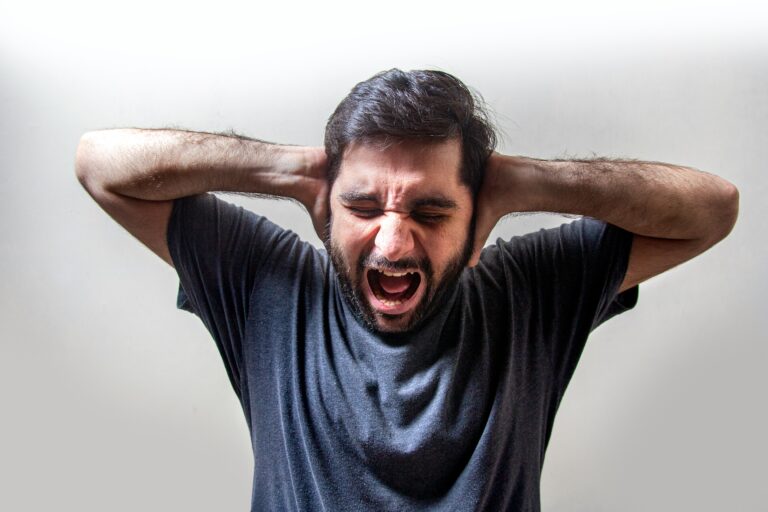
Millions of people around the world go through mental health issues, including anxiety. Anxiety symptoms can vary, but most people experience chest tightness as anxiety spikes. This feels sudden and alarming because the sensation may include pressure in the chest, shortness of breath, or a feeling of being unable to take a deep breath. What makes it worse is that anxiety symptoms feel like heart-related issues.
However, medical resources like the Cleveland Clinic also explain how anxiety triggers the fight-or-flight response in our bodies, which in turn, tightens muscles and changes breathing patterns, making the chest feel heavy.
You might already know from many of my articles how anxiety affects the body in other ways. So, you may find it helpful to read about how anxiety causes hair loss, since both symptoms occur from excessive stress on the nervous system.
How Anxiety Triggers Chest Tightness in the Body
To understand “does anxiety cause chest tightness?”, we need to look at what happens inside the body during anxious moments. When anxiety hits, the brain signals danger even if there is no real danger. In this situation, the stress hormones such as cortisol and adrenaline increase, which causes the body to feel unusually heavy and tense.
So, as the breathing becomes shallow or rapid, this causes the chest muscles to tighten. This muscle tightness creates an uncomfortable squeezing sensation in our chest. Sometimes, if the anxiety remains untreated, repeated anxiety attacks can make the chest feel tight even in calm moments.
If we explore the American Psychological Association, they also discuss how chronic stress reshapes bodily responses, leading to such sensations.
Prolonged anxiety can lead to panic attacks, where the pattern is similar but intense. You might know this well if you’ve read What Really Happens to Your Body During a Panic Attack – And How to Calm It Fast.
With chest tightness, you can also experience migraine or anxiety-induced head pain. I’ve written a detailed article on anxiety migraines, read Does Anxiety Cause Migraines? Why Stress Can Trigger Severe Head Pain..
What It Actually Feels Like
As we now know the answer to does anxiety cause chest tightness, now we’ll have a look at what anxiety chest tightness actually feels like in the body.
People describe anxiety chest tightness in many ways. Some say it feels like a band wrapped tightly around the chest. Others describe burning sensations, pressure behind the breastbone, or a dull ache that comes and goes.
Other than the chest tightness symptom, some people have noticed heir legs getting shaky or weak during anxiety episodes as discussed in Why Anxiety Makes Your Legs Feel Weak And How To Calm It.
If you’re noticing these sensations while trying to recover, you might also want to understand the difference between how anxiety and stress feel differently through this article, Stress vs Anxiety Symptoms: How to Know What You’re Feeling.
Does Anxiety Cause Chest Tightness at Night?
Many people notice that anxiety causes chest tightness at night, just when they’re trying to rest. I’ve discussed nighttime anxiety several times in my previous blogs. This usually happens when the night’s silence strikes. Lack of distractions and accumulated stress from the day make anxious thoughts louder.
Sleep Foundation research shows that anxiety disrupts breathing, which leads to chest tightness before sleep.
Nighttime anxiety happens when the nervous system struggles to fully power down after a stressful day. Read Why Anxiety Gets Worse at Night: Understanding the Nighttime Spike, for a much better understanding.
How to Calm Anxiety-Related Chest Tightness Naturally
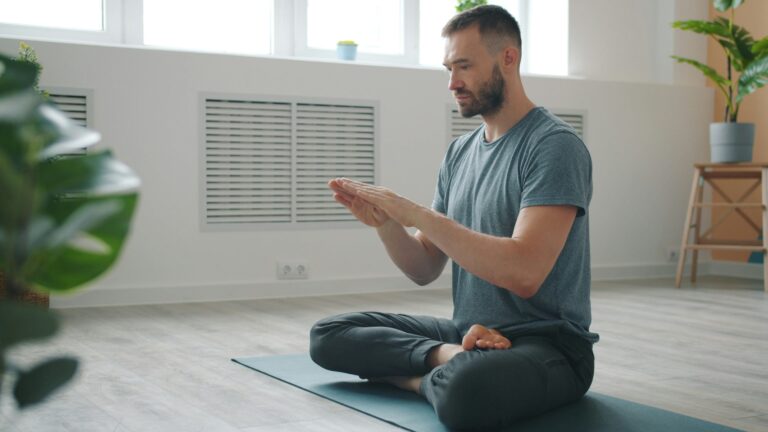
Gentle breathing, grounding techniques, and nervous-system regulation are the best ways said to calm anxiety symptoms.
Breathing wins when it comes to calming the nervous system. Guidance from Harvard Health also shows how breathing techniques calm both the mind and body.
I’ve also discussed such techniques in my article, How to Manage Stress for Better Physical Health.
If you want, give technology a try for your mental health. I’ve listed a few apps in my article, 7 Best Free Mental Health Apps for Stress and Anxiety Relief (2025).
Conclusion: Does Anxiety Cause Chest Tightness?
So, does anxiety cause chest tightness? Yes, and understanding this connection can transform the fear you’re living with into clarity about your situation. You might feel the symptoms of anxiety to be out of your control and dangerous, but in reality the are just signals.
Chest tightness doesn’t mean your heart is in trouble. It means your nervous system is asking for care, rest, and understanding. With awareness, patience, and the right support, these sensations can be calmed, just like anxiety itself.
Frequently Asked Questions
Yes, anxiety can cause chest tightness daily, especially if stress or worry is ongoing. When the nervous system stays in a constant alert state, chest muscles may remain tense, creating repeated discomfort even without panic attacks.
Anxiety chest tightness can last from a few minutes to several hours. In some cases, it may come and go for days or weeks until anxiety levels are properly managed and the body begins to relax again.
Yes, anxiety chest tightness can feel very similar to heart-related symptoms, which is why it can be frightening. However, anxiety-related tightness often changes with breathing, movement, or calming techniques, unlike cardiac pain. If symptoms are severe or new, medical evaluation is always important.
Slow breathing, grounding techniques, muscle relaxation, and reassurance can help reduce chest tightness caused by anxiety. Consistency is key, as calming the nervous system takes time rather than instant fixes.
Post Disclaimer
This article is for informational purposes only and does not constitute medical or psychological advice. Always consult a qualified mental health professional before making any health decisions.