Can Stress Cause Acne? The Hidden Connection Between Your Mind and Skin
Why do I always get acne whenever an important event is approaching? Aghh, this feels so frustrating because everyone wants to look flawless. Well, I always wonder if I haven’t changed my skincare routine, nor did I change my diet, then why was I having acne every time? So I asked myself, can stress cause acne?
Turns out, yes, stress doesn’t just affect your mind; it affects your skin too. Science now confirms that mental pressure triggers hormonal reactions that make acne worse. I found out that according to Harvard Health, stress increases cortisol, which leads to more oil production, inflammation, and clogged pores.
If you’ve noticed your skin breaking down during tough times, just like mine, you’re not alone. Let’s explore how stress, hormones, and emotional tension work together to create acne, and what you can do about it.
If you suffer from depression and anxiety, read our guide on 5 Sleep Habits That Improve Anxiety and Depression to start healing your mind first.
Discover more health-related information on Healnology, and enjoy reading.
Can Stress Cause Acne? Here’s What Science Says
Let me explain the skin-mind connection scientifically. There is a “fight or flight” hormone in our body, known as cortisol, which is released when we feel stressed. This hormone tells our oil glands to produce more sebum, leading to clogged pores and breakouts. So yes, can stress cause acne? It absolutely can, and it’s backed by research.
However, the Cleveland Clinic explains that the brain, skin, and gut communicate through a network of hormones and nerves. When stress disrupts this system, your skin becomes more inflamed and sensitive.
But first you need to understand whether the breakouts are actually caused by stress or hormonal changes? I’ve differentiated between stress acne and hormonal acne in my article, Stress Acne vs Hormonal Acne: How to Tell the Difference, it might help you.
For more on the mind-body connection, check out The Depression Diet: 7 Foods That Quietly Harm Your Mental Health; food and mood are more linked than you think.
Emotional Stress and Acne Breakouts
Have you ever noticed your pimples appearing just before a big event or emotional situation? These pimples are actually emotional stress and acne together at work. High stress levels can affect your sleep, hormones, and even eating habits, which all can worsen acne.
Psychology Today highlights that emotional distress raises inflammation and slows down skin repair.
And Dr. Whitney Bowe, a board-certified dermatologist and author of The Beauty of Dirty Skin says, “Stress hormones like cortisol can increase oil production in the skin, which may clog pores and trigger breakouts.”
So to keep your stress from showing up on your skin, try mindfulness and healthy eating habits, and read our guide “How to manage stress for better physical health.”
Stress not only causes acne but it can make you look older than your age, you can learn more about it in my article, How to Get Rid of Stress Wrinkles Fast: The Methods That Actually Work.
Your Gut-Skin Connection
If you’re still wondering, “Can stress cause acne?”, the answer might also lie in your gut. Because when you’re anxious, your digestive system reacts too; yes, this can slow down or speed up digestion and disturb your gut bacteria. According to Harvard Health, this imbalance triggers inflammation that travels from your gut to your skin, worsening acne and redness.
However, adding probiotics, fiber-rich foods, and plenty of water can help repair both systems. When your gut is balanced, your skin glows naturally.
Simple Lifestyle Shifts to Calm Your Mind and Clear Your Skin
As you now know how your mind and skin are connected, you might feel worried about how you will deal with this situation because one of the hardest parts of cortisol acne is how it affects confidence. You feel stressed, acne appears, and seeing it makes you even more stressed. The great news is that you can reduce stress-related acne by managing both your mental health and skincare.
Here’s what you can do:
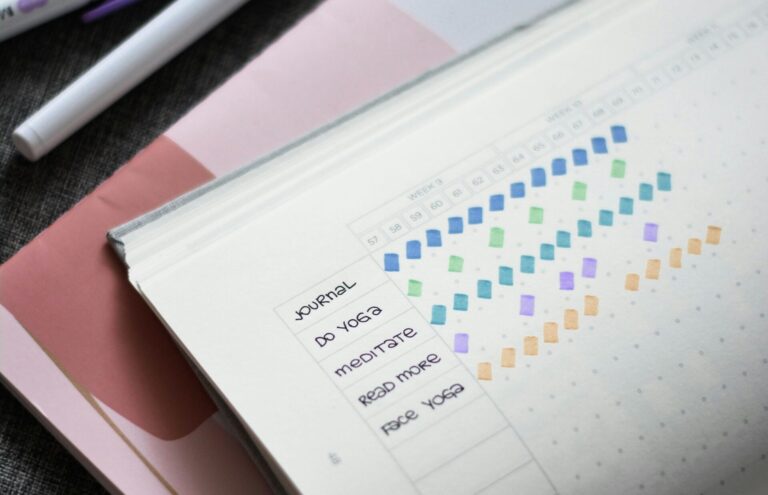
- Meditation and yoga: These are best to reduce cortisol and calm inflammation .
- Taking balanced meals: Foods rich in omega-3s and antioxidants can support skin repair.
- Regular sleep: Regulating your sleeping pattern can help regulate your hormones and cell renewal.
Healthline notes that daily mindfulness can significantly lower stress-induced breakouts.
When to Seek Professional Help
Although stress-related acne is not a big thing to worry about but if you’ve tried skincare routines, changed diets, and you’re still struggling, your acne might be more emotional than physical.
And what if you’re thinking you’re just stressed but turns out it’s actually anxiety? Things will get clear if you read Stress vs Anxiety Symptoms: How to Know What You’re Feeling.
Hence, dermatologists can treat your skin, and therapists can treat your stress triggers.
And the American Academy of Dermatology also recommends addressing acne holistically, treating both your skin and stress.
Final Thoughts: Can Stress Cause Acne?
So, can stress cause acne? Yes, and the proof shows not only in your appearance but also in science. All the stress you go through doesn’t only affect your mind; it can also cause acne and affect your skin. But don’t lose hope; you can reverse this damage by managing your stress and healing your mind first. Once you’ve got it, you will see a visible difference.
Just like when I began prioritizing calm mornings, mindful breathing, and a balanced diet, my skin started to recover on its own. Acne faded, confidence grew, and my stress felt lighter. That’s what you all can do too.
Want more expert-backed health advice? Explore our latest guides on Healnology.
Frequently Asked Questions
Yes. Stress increases oil production and inflammation, which leads to breakouts on your face, back, and chest.
Cortisol, the main stress hormone, overstimulates oil glands and triggers inflammation, causing acne.
It can last from a few days to weeks, depending on how quickly you reduce stress and balance your hormones.
Yes. Both anxiety and depression raise stress hormones, leading to hormonal imbalance and breakouts.
Practice stress relief daily; meditation, healthy meals, consistent sleep, and avoid touching your face frequently.
Post Disclaimer
This article is for informational purposes only and does not constitute medical or psychological advice. Always consult a qualified mental health professional before making any health decisions.