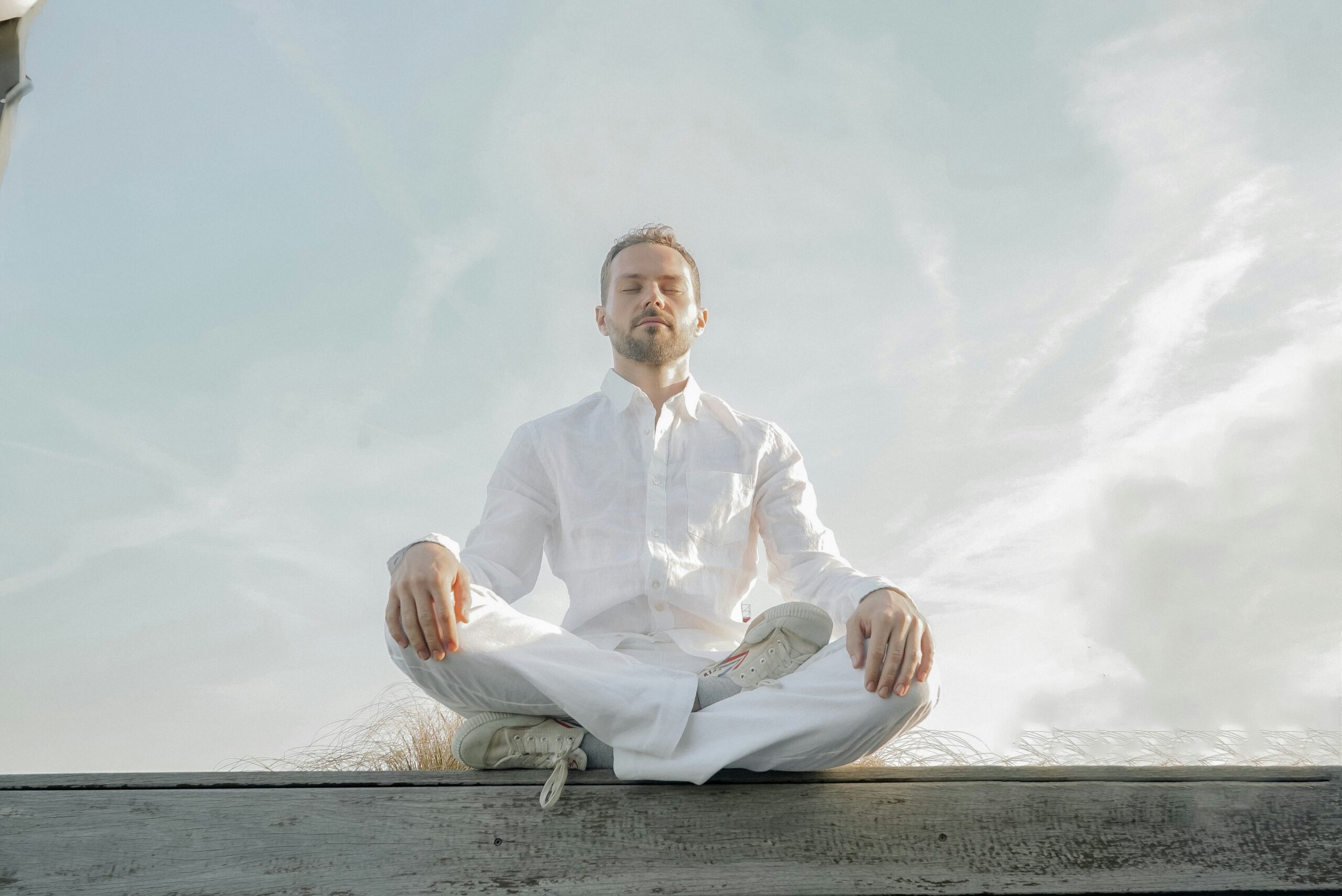
Breathing Techniques for Stress and Anxiety Relief You Can Do Anywhere
Before I discovered breathing techniques for stress and anxiety relief, I thought anxiety was something I had to “mentally fight.” Whenever I felt my shoulders getting tight, my thoughts growing louder, my breath getting shallow, and my chest heavy, I would know that it was the same stressful moment again. I realized that it was my breathing that was keeping my nervous system in a state of panic.
That was the time I realized that breathing techniques can be most effective in treating stress and anxiety. These techniques work as powerful tools to regulate the nervous system.
As breathing is one of the fastest ways to bring your body back into balance, I’ll help you understand the 5 simple and effective breathing techniques for stress and anxiety relief that you can practice anywhere, anytime.
Why Breathing Techniques for Stress and Anxiety Relief Actually Work
To understand breathing techniques for stress and anxiety relief, we need to understand what anxiety does inside the body. When we are in constant stress, our brain shifts into survival mode, which activates the fight-or-flight response. This causes our breath to get shallow, an increased heart rate, and elevated muscle tension.
This is why many people experience shortness of breath due to high anxiety. I’ve written a detailed article on it Why Anxiety Causes Shortness of Breath (And How to Calm It)..
According to Harvard Health Publishing, slow, intentional breathing activates the parasympathetic nervous system, which decreases stress hormones and calms physical anxiety symptoms. This tells us why breathing techniques are often recommended for people experiencing chest tightness, panic sensations, or stress-related discomfort, as discussed in Does Anxiety Cause Chest Tightness?
These techniques can also be effective when you’re dealing with OCD, as OCD and anxiety aren’t same. Learn more by reading Is OCD an Anxiety Disorder? Understanding the Link.
5 Breathing Techniques for Stress and Anxiety Relief
1. Deep Belly Breathing for Stress and Anxiety Relief
One of the most effective breathing techniques for stress and anxiety relief is deep belly breathing, also known as diaphragmatic breathing. How does it work? Whenever anxiety strikes, breathing shifts to our chest, which keeps our body heavy. This is when the belly breathing reverses the pattern by engaging the diaphragm and slowing the nervous system.
As you breathe deeply into your abdomen, your body receives signals of safety, which reduces muscle tension, slows your heartbeat, and eases mental load.
The Cleveland Clinic confirms that diaphragmatic breathing helps in managing stress-induced anxiety, panic symptoms, and physical tension. This technique is helpful if anxiety also causes headaches or migraines, which I’ve explained further in How to Treat Anxiety-Induced Migraines Naturally.
2. Box Breathing as a Breathing Technique to Slow Down The Nervous System
Box breathing is another effective breathing technique for stress and anxiety relief that is designed to slow the nervous system during moments of stress. This technique is especially helpful when stress feels sudden, intense, or mentally paralyzing.
To practice this breathing technique for stress and anxiety relief, begin by inhaling slowly through your nose for a count of four. Hold your breath gently for another count of four, then exhale through your mouth for four seconds. After the exhale, pause again for four seconds before starting the next breath. As you repeat this pattern, your breathing will become steady, and your thoughts will slow down.
The American Psychological Association also emphasizes box breathing as an effective way for managing stress and anxiety, especially when you’re under high pressure or panic.
This technique pairs well with the grounding methods I’ve discussed in ‘What Really Happens to Your Body During a Panic Attack.’
3. 4-7-8 Breathing for Anxiety Worsening At Night
Among all breathing techniques for stress and anxiety relief, the 4-7-8 method is especially beneficial when anxiety worsens at night. It’s the time when our body feels exhausted, but our mind does not slow down. Hence, this breathing technique helps our nervous system prepare for some rest.
To practice this, sit or lie down comfortably and close your eyes. Inhale quietly through your nose for four seconds, allowing your body to fill with air. Hold that breath gently for seven seconds, then slowly exhale through your mouth for eight seconds, letting tension release as the air leaves your body. If you repeat this cycle a few times, it will naturally slow down breathing and reduce nighttime anxiety.
It is also confirmed by the Sleep Foundation that breathing exercises such as 4-7-8 improve sleep quality and reduce anxiety-related insomnia.
This technique is very helpful for readers struggling with nighttime stress, as explained in How to Reduce Nighttime Anxiety Fast.
4. Alternate Nostril Breathing to Regulate The Nervous System
Alternate nostril breathing is one of the most grounding and effective breathing techniques for managing stress and anxiety. This technique helps to regain emotional balance by regulating both sides of the nervous system.
To practice this breathing technique, sit comfortably and bring your right hand up to your nose. Gently close your right nostril with your thumb and inhale slowly through your left nostril. Then close your left nostril with your ring finger and exhale through the right. Continue alternating sides with each breath. You will feel your mind getting relaxed as your breath becomes even.
Research shared by the National Institutes of Health (NIH) also supports these breathing practices to reduce stress, anxiety, and emotional imbalance.
You can practice this technique alongside long-term stress strategies discussed in How to Manage Stress for Better Physical Health.
5. Physiological Sigh: A Fast Breathing Technique for Stress and Anxiety Relief (How to Do It)
The physiological sigh is one of the fastest-acting breathing techniques for relieving stress and anxiety. What this technique does is very interesting. It works by quickly releasing excess carbon dioxide from the lungs, which calms the nervous system almost immediately.
To practice this breathing technique for stress and anxiety relief, inhale through your nose, then take a second short inhale immediately after without exhaling. After the double inhale, slowly release all the air through your mouth with a long, relaxed exhale. You’ll notice after one or two rounds that your stress, frustration, or panic situation is slowly decreasing.
Harvard research supports this breathing method as one of the most effective ways to reduce stress faster than other traditional relaxation exercises.
These breathing techniques can be added in the morning mindfulness habit that I discussed in Daily Habits to Reduce OCD Symptoms Naturally.
If you’re already using breathing techniques for stress and anxiety relief and want deeper, ongoing support, you may want to explore this anxiety support program that focuses on calming the nervous system and building healthier stress responses over time.
👉 Explore the Anxiety Support Program here
Conclusion: Breathing Techniques for Stress and Anxiety Relief
Learning breathing techniques for stress and anxiety relief can completely switch your condition from overwhelm to relaxation.
You know your body well, so after reading the above techniques, you might have gotten clear which one is the best for you. Be it deep belly breathing, box breathing, or 4-7-8, every technique has its own efficiency.
With gentle, consistent practice, these techniques will help to calm your body, reduce physical anxiety symptoms, and restore a sense of control. Anxiety can show up as panic, chest tightness, overthinking, or restlessness. In all of these situations, your breath remains one of the most powerful tools you can always carry with you wherever you go.
So, if you found this article helpful, recommend it to your friends and family so that they thank you and me later.
Frequently Asked Questions
Breathing techniques for stress and anxiety relief can work within minutes. Slow, controlled breathing sends safety signals to the brain, helping reduce heart rate, muscle tension, and anxious thoughts almost immediately.
Techniques like box breathing, deep belly breathing, and the physiological sigh are especially effective during anxiety attacks because they quickly calm the nervous system and reduce panic sensations.
Yes. Breathing techniques for stress and anxiety relief help relax chest muscles and slow shallow breathing, which often reduces anxiety-related chest tightness and discomfort.
Practicing breathing techniques for stress and anxiety relief daily, especially during calm moments, helps train the nervous system, making it easier to manage stress when anxiety spikes.
Post Disclaimer
This article is for informational purposes only and does not constitute medical or psychological advice. Always consult a qualified mental health professional before making any health decisions.