Why Anxiety Causes Shortness of Breath (And How to Calm It)
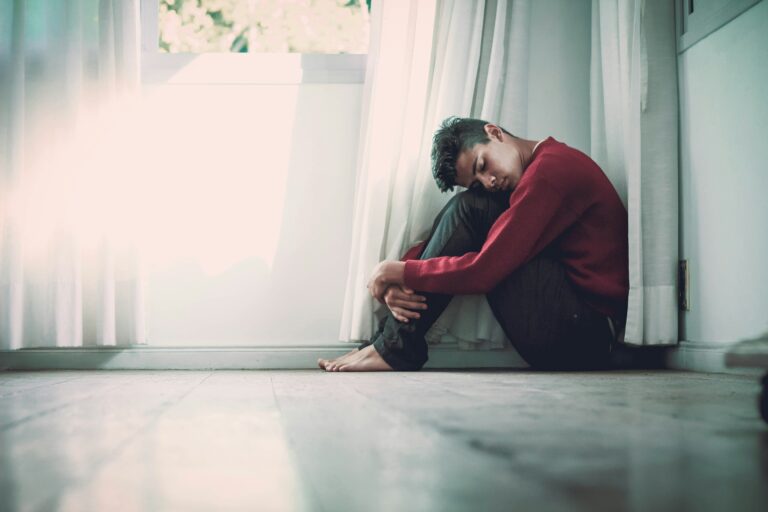
We often take breathing for granted until a time comes when it feels difficult. Yes, there are a lot of people who search for answers about why anxiety causes shortness of breath, not because they are feeling anxious, but because they notice that uncomfortable sense of breathing, a feeling like the air isn’t reaching deep enough in their lungs.
The same thing happened to my friend in high school. She was sitting in her chair and suddenly started panicking because there was an exam the next day, and she couldn’t bear the stress; her breath felt heavy all of a sudden. Although I didn’t know much about this condition back then, I still managed to relax her. As I’ve written a lot of articles on stress and anxiety, I sometimes wish I had helped her out with the techniques I usually mention in my posts.
It’s really important to learn how anxiety affects breathing, and how you can gently restore a natural breathing rhythm without panicking. So stay with me till the end of this article.
Why Anxiety Causes Shortness of Breath Inside the Body
To get the answer to why anxiety causes shortness of breath, let’s have a look at how the nervous system works while our body is stressed. If you’ve been reading my articles, you know that I’ve mentioned it many times: when anxiety strikes, our brain switches to fight-or-flight mode, which releases stress hormones like adrenaline and cortisol. These hormones prepare your body to fight danger, even when there is no real threat. This situation can change our breathing pattern.
This response causes our breathing to get shallow, rapid, and focused in the chest rather than the belly.
According to the Cleveland Clinic, this breathing pattern can create a feeling of chest pressure and dizziness, even though oxygen levels are completely normal. This is why anxiety-related breathing problems feel so intense and real.
Sometimes stress response can also cause symptoms like chest tightness, which is discussed in my article Does Anxiety Cause Chest Tightness?
Shaky legs or leg weakness is another weird symptom caused by anxiety as discussed in Why Anxiety Makes Your Legs Feel Weak And How To Calm It.
How Anxiety-Related Shortness of Breath Feels and Why It’s So Alarming
For the people wondering what it feels like to experience shortness of breath due to anxiety. Well, different people explain it in different ways. Some feel like they can’t take a full breath, while others experience pressure around the ribs or throat. Many say it feels like suffocation, even though medical tests come back normal.
This breathing and anxiety issue can create a loop. Because when you start focusing on your breath problem, your brain interprets that focus as confirmation of danger. So, according to Harvard Health Publishing, this creates a cycle where anxiety worsens breathing, and breathing worsens anxiety.
This same loop often appears during panic attacks, which I’ve explained in What Really Happens to Your Body During a Panic Attack – And How to Calm It Fast.
Why Anxiety Causes Shortness of Breath More at Night
Nighttime anxiety is a serious thing that many people go through. And some people might notice that anxiety-induced shortness of breath is more at night than at any other time of the day. This is because when distractions fade, and the world goes to sleep at night, the mind gets active and starts overthinking. The worries that we ignore during the day start getting intense at night.
This is the reason that shortness of breath and chest tightness worsen at night. Research from the Sleep Foundation also shows that anxiety can disrupt the natural breathing rhythm even during rest, which makes breathlessness feel worse when we’re lying down.
I’ve discussed this pattern in my detailed article Why Anxiety Gets Worse at Night: Understanding the Nighttime Spike.
How to Calm This Chaos Naturally
Learning how to calm anxiety and breathing is one of the fastest ways to calm the nervous system because breathing and the nervous system are deeply connected. There are different breathing techniques that I mentioned in Breathing Techniques for Stress and Anxiety Relief You Can Do Anywhere. These techniques send a powerful signal of safety to the brain, which calms our anxiety.
According to Harvard Medical School, breathing techniques that lengthen the exhale can help in relaxing the body from stress mode and turn it into relaxation mode. Gentle belly breathing, grounding exercises, and slowing the breath can quickly ease anxiety-induced breathlessness.
Another way to instantly calm your condition is to take a generous amount of water. Low water intake can worsen shortness of breath during anxiety episodes as discussed in my post about dehydration-induced anxiety.
Some readers might find that deeper and more supported guidance is more helpful for their anxiety. Hence, the structured support that focuses on calming routines and nervous-system regulation can help in treating the anxiety-breathlessness cycle long-term.
👉 Explore the Anxiety Support Program here
Disclosure: This is an affiliate link. I may earn a small commission at no extra cost to you.
Conclusion: Why Anxiety Causes Shortness of Breath (And How to Calm It)
So after reading this article, you might have gotten the answer to why anxiety causes shortness of breath. You’ll see that your perspective about it has changed a bit. Once you took breathlessness as a medical emergency, and now you know that it’s not a threat but a nervous system imbalance.
No, your lungs aren’t failing, and your heart is also fine. It’s just your body that’s stuck in survival mode. And with gentle breathing techniques that I’ve mentioned and proper awareness, you can learn to relax your nervous system.
Frequently Asked Questions
Yes. Anxiety activates the fight-or-flight response, which changes breathing patterns and creates the sensation of breathlessness.
Anxiety-related shortness of breath often comes and goes, worsens with fear, and improves with calm breathing. Persistent or severe symptoms should always be checked by a doctor.
It can last minutes to hours, depending on how long the nervous system stays activated.
Yes. Breathing exercises are one of the most effective tools for calming anxiety-related breathing problems.
Post Disclaimer
This article is for informational purposes only and does not constitute medical or psychological advice. Always consult a qualified mental health professional before making any health decisions.