Why Anxiety Gets Worse at Night: Understanding the Nighttime Spike
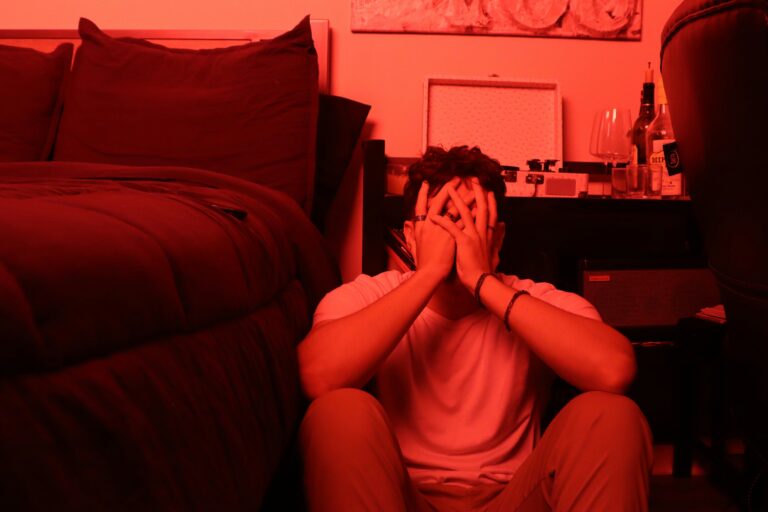
Sometimes, as I lie down on my bed at night to sleep, I feel a sudden wave of anxiety and wonder why anxiety gets worse at night. I’ve realized that this happens to most people, and understanding the reason behind it will make it easier for us to manage our mental health and improve our sleep.
According to many experts, nighttime anxiety is the most common cause of disrupted sleep and increased stress.
The National Institute of Mental Health has many contexts that are based on anxiety disorders and symptoms. Sleep specialists and mental health experts say that there are many psychological factors and lifestyle habits that can contribute to anxiety worsening at night.
We will learn more deeply about this topic in my article, so stay active and read till the end.
Wait, what if I tell you there are some foods to boost your mental health? Yes, you can learn more in this article, 6 Superfoods to Boost Your Mental Health Naturally.
The Science Behind Nighttime Anxiety
Okay, let me explain the science behind “why anxiety worsens at night.” So, did you know there’s an internal clock in our bodies? It’s also called the body’s circadian rhythm. It plays a huge role in our mental balance.
During the day, we get sunlight and engage in various activities, which help regulate our stress hormone, cortisol. But as the night falls, the cortisol levels naturally get unstable, which can trigger hyperawareness and anxious thoughts in some of us.
Research from Harvard Medical School explains that when you’re mentally overloaded, the brain’s emotional center, the amygdala, becomes more reactive at night.
Clinical psychologist Dr. Lisa Morgan explains, “During the day, your brain is occupied with tasks and responsibilities. At night, the absence of distractions allows unresolved stress to surface, making anxiety feel more intense.”
Suddenly, everything that we ignore during the day, like deadlines, unpaid bills, or even tiny awkward moments, because of being busy, becomes prominent as racing thoughts in our minds at night.
Melatonin imbalance also contributes to this anxiety. If your sleep hormone isn’t doing its job, it’s harder to fall asleep, and anxiety can get worse. If you want more insights into circadian rhythms, theSleep Foundation is a fantastic resource.
If you experience shortness of breath at night, reading this article might help you understand the cause, Why Anxiety Causes Shortness of Breath (And How to Calm It)..
And for practical tips, our guide on 5 Sleep Habits That Improve Anxiety and Depression will help you build a calming bedtime routine.
Lifestyle Habits That Worsen Anxiety at Night
Another big reason that causes anxiety to get worse at night is some of our lifestyle habits. Like some people love taking coffee or tea after dinner, while others scroll endlessly on social media at night. These habits are actually fueling your midnight anxiety, guys. Caffeine, alcohol, irregular sleep, and late-night snacking all intensify anxiety.
For anyone wondering how caffeine affects mental health, our post on Can Caffeine Cause Anxiety? The Surprising Truth Behind Your Morning Coffee will help you understand this.
I’ve also written a post on “Why Panic Attacks Happen at Night? Here’s How to Regain Control in Minutes. “ Anxiety, if not treated properly and early, can lead to panic attacks, too.
How I Learned to Calm My Nighttime Anxiety
After months of restless nights, I finally took expert advice seriously:
- Mindfulness and meditation: Ten minutes before bed changed everything. “Even brief mindfulness can calm the nervous system and promote restful sleep,” says Dr. Morgan. The Mayo Clinic also offers beginner-friendly techniques; you can check them.
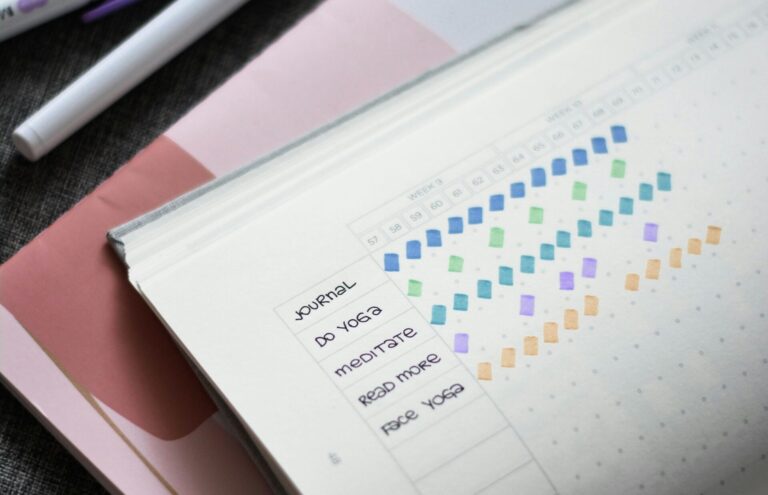
- Journaling: Writing down worries or next-day tasks prevents them from racing in your mind. I even tracked my mood with tools that I’ve explained in my article, Top 5 Best Mood Tracking Apps for Depression 2025, to understand patterns.
- Sleep hygiene: Dark, cool, tech-free bedrooms are game-changers. The National Sleep Foundation has great tips for creating a calming sleep environment.
- Therapy: Cognitive Behavioral Therapy (CBT) is one of the best techniques. For guidance, you can check the American Psychological Association, as they’ve listed licensed therapists. Bonus tip, read my article “Why I Can’t Stop Overthinking at Night | What It Really Means and How to Find Relief”, to know exactly why your nights are restless and how you can find relief.
I’ve also listed useful techniques in my detailed article about How to Reduce Nighttime Anxiety Fast. You can give it a read if you’re going through nighttime anxiety and want to reduce it.
Final Thoughts on Why Anxiety Gets Worse At Night
Understanding why anxiety gets worse at night will help you regain control of your nighttime anxiety. Some biological rhythms, psychological patterns, and lifestyle choices all play a part in this matter. And mindfulness, journaling, sleep hygiene, exercise, and CBT all together or even one can reduce nighttime anxiety, which will give you better sleep and peace of mind.
As we know, female hormones are so different that nighttime anxiety can be caused by a hormonal imbalance in them. Learn more in my article Can Hormonal Imbalance Cause Anxiety in Females?
Frequently Asked Questions
Because your brain finally has silence to process unresolved thoughts and stress. The amygdala becomes more reactive at night due to lower distractions and shifting hormones.
Yes. Hormonal fluctuations, especially in women, can intensify anxiety at night. Imbalances in cortisol, melatonin, or estrogen can increase restlessness.
Absolutely. Screens suppress melatonin and overstimulate the brain, making your thoughts feel louder and sleep harder.
Mindfulness, reducing screens, avoiding caffeine at night, journaling, deep breathing, and dedicating a calming routine can significantly help.
Post Disclaimer
This article is for informational purposes only and does not constitute medical or psychological advice. Always consult a qualified mental health professional before making any health decisions.