How to Reduce Panic Attacks Without Medication
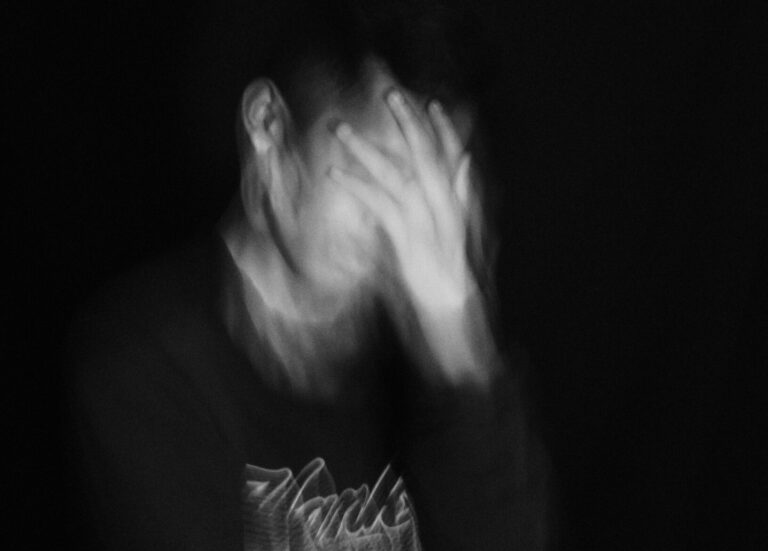
I’ll never forget the first time someone close to me experienced a panic attack. It was a terrible moment when her hands shook, her heart raced, and her face went pale in seconds. I realized that she wasn’t sick, but actually overwhelmed. That’s when I wondered how to reduce panic attacks without medication in a real, practical way, without needing prescriptions immediately.
I found out that, according to the Anxiety & Depression Association of America, panic attacks actually happen when our body misinterprets stress as danger. Understanding this connection is the way to manage them.
So in my article, I’ll be helping you learn why panic attacks happen and how you can reduce them naturally. But before we go deeper, you may want to read my article “How to Get Rid of Stress Wrinkles Fast,” because the mind–body link affects everything.
Understanding Why Panic Attacks Happen
Before you learn how to reduce panic attacks without medication, you need to understand why they occur in the first place. Some people might think panic attacks come from a person’s weakness, but it’a not the truth. They come from your nervous system that is stuck in the fight-or-flight mode.
The Cleveland Clinic explains the reason panic attacks happen, it can be chronic stress, trauma, sleep disturbances, excessive caffeine, or hormonal shifts. Once you’re able to recognize the reason behind your panic attack, it can become easier to calm it.
If you’re curious about how mental and physical symptoms connect, you can also read my blog Can Stress Cause Acne? where I explain the stress–skin relationship.
How to Reduce Panic Attacks Without Medication | 4 Effective Ways
1. Reduce Panic Attacks Without Medication by Calming the Nervous System
One of the most effective ways to reduce panic attacks is by calming the nervous system naturally. There is a vagus nerve in our body; when it is calmed, panic symptoms decrease.
The Harvard Health blog outlines how slower breathing reduces the release of stress hormones. It can shift your panic mode to a calmer mode in minutes.
If you want more natural strategies, I discussed breath-based relaxation in my blog about Natural Ways to Lower Blood Pressure Caused by Stress, since emotional tension affects the whole body.
2. Reduce Panic Attacks Using Grounding Techniques
Well, a grounding technique is another effective and calming method that uses your senses, breath, or mental focus to help you return to the present moment during anxiety, panic attacks, or overwhelming stress. Because when you’re under stress, your thoughts run too fast
The National Alliance on Mental Illness (NAMI) highlights grounding as a clinically proven strategy to reduce panic symptoms naturally.
You can combine grounding with the mindful routines I described in 5 Sleep Habits That Improve Anxiety and Depression.
3. Lifestyle Changes That Help Reduce Panic Attacks Without Medication
When learning how to reduce panic attacks without medication or learning anything related to mental health, you’ll notice lifestyle habits play a major role. Improving your lifestyle can do wonders for your well-being. The Mayo Clinic recommends reducing caffeine intake, improving sleep hygiene, and maintaining regular physical activity to help keep anxiety hormones low.
If you want to understand how stress affects the body, read my breakdown in How Anxiety Causes Hair Loss, which also explains how chronic stress can affect physical health.
4. How to Reduce Panic Attacks Through Cognitive Reframing
Another way is Cognitive reframing. What does that mean? So this term is basically a technique that helps you learn how to talk back to your own thoughts in a calmer way. For example, when your body goes into stress mode, your mind runs negative thoughts, like “I can’t handle this” or “Something bad is about to happen.” This makes your panic attack worse.
Now, reframing comes in as a saviour. It helps you correct your thoughts like “Okay, I’m stressed, but this feeling will settle,” “My body is reacting to anxiety, not danger,” or “This moment is hard, but I’ve gotten through moments like this before.”
The American Psychological Association also emphasizes that reframing panic sensations, like fast breathing or a racing heart, can reduce fear and lower the intensity of attacks.
You can also explore more health information in my article 6 Superfoods to Boost Your Mental Health Naturally.
Final Thoughts: How to Reduce Panic Attacks Without Medication Successfully
Learning how to reduce panic attacks without medication is about teaching your body that anxiety is not a danger, but it’s just a state which will pass. You’re not supposed to force your mind to be calm, but you need to breathe slower, ground yourself, shift your thinking to positive thoughts, and lower your stress triggers.
As your mental health improves, your physical symptoms will also begin to fade. I truly hope this guide helps you understand that panic can be managed naturally with the right techniques.
For more useful topics, you can explore additional blogs on Healnology like Meditation vs Medication: Which Mental Health Strategy Is Right for You? or How to Get Rid of Stress Wrinkles Fast. Because your mind and body are connected, and healing one always helps the other to heal.
Frequently Asked Questions
Slow breathing, grounding (like noticing 5 things around you), splashing cool water on your face, and gentle affirmations can quickly settle your nervous system.
Yes. Lifestyle changes, better sleep, stress management, therapy, and cognitive reframing reduce both frequency and intensity.
Avoid caffeine, breath-holding, Googling symptoms, and trying to “fight” the feeling, it intensifies panic.
Many people experience fewer attacks once they manage daily stressors, improve sleep, and practice grounding regularly.v
If panic attacks happen frequently, disrupt your daily life, or feel uncontrollable, a therapist or psychiatrist can help tailor strategies to your needs.v
Post Disclaimer
This article is for informational purposes only and does not constitute medical or psychological advice. Always consult a qualified mental health professional before making any health decisions.