
Why Do I Feel Dizzy When I Am Anxious? Real Causes & Simple Fixes
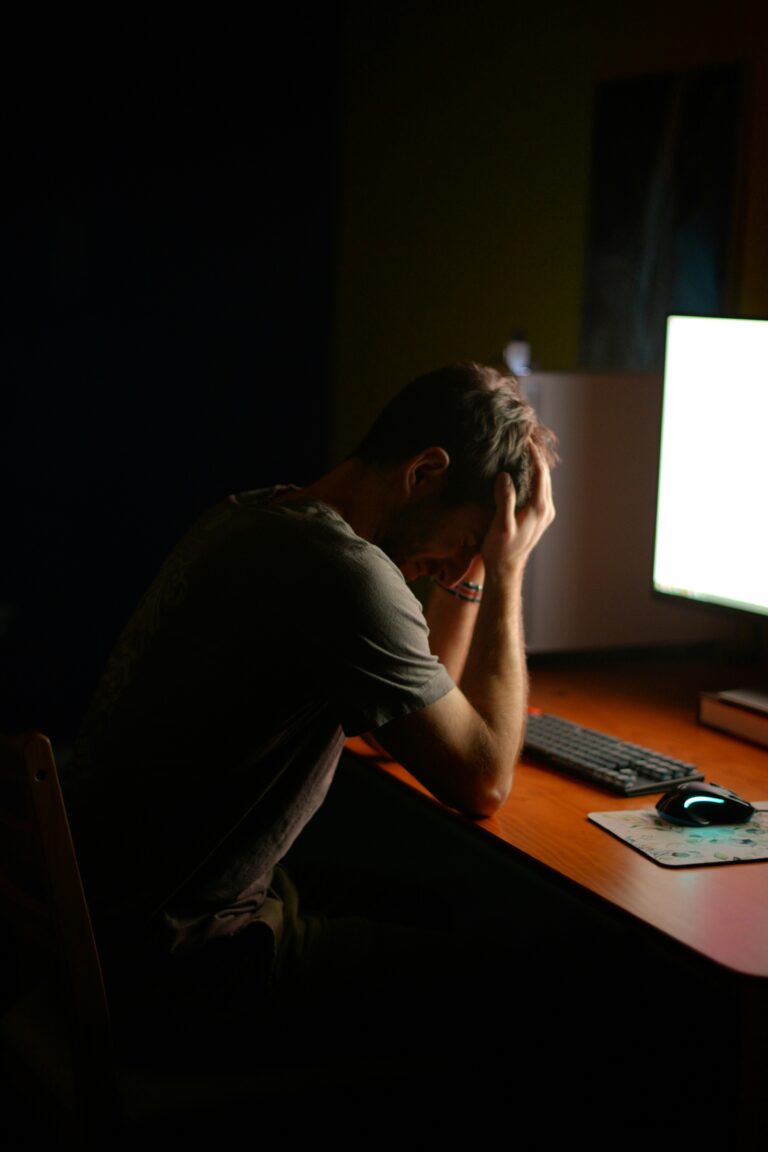
Have you ever suddenly asked yourself, why do I feel dizzy when I am anxious?
There is one moment when you feel completely normal, but the next, the room starts spinning, your heart starts racing, your legs feel shaky, and your head feels light and floaty.
What is this? Is it just your imagination, or is there something real happening inside your body?
Although dizziness is not something that’s only related to anxiety, it is one of the symptoms of anxiety that millions of people are experiencing every single day. Most people never understand why it happens, and that confusion makes it much scarier.
When you feel dizzy during an anxiety episode, your brain starts imagining the worst, and that fear then makes your anxiety go higher. Higher anxiety then makes your dizziness worse. Hence, it becomes a loop that feels impossible to stop.
So, I’m here to break down the reasons behind why you feel dizzy when anxious, the science behind it, and how to cope with it.
Why Do I Feel Dizzy When I Am Anxious? It Starts in Your Brain
When people ask, “Why do I feel dizzy when I am anxious?”, the answer always begins in the brain.
When your brain senses danger, your brain immediately activates the fight-or-flight response. This happens even when the danger is not real. Because your brain cannot tell the difference between a real threat and a worried thought.
During anxiety, your brain releases stress hormones like adrenaline and cortisol into your blood. These hormones tell your entire body to prepare for danger fast. Your heart speeds up right away, your muscles tighten, and blood rushes away from your head toward your arms and legs.
That shift in blood flow is a key reason you feel dizzy. It’s because your brain receives slightly less blood than normal. And that small drop is enough to make you feel lightheaded and unsteady.
According to Healthline, anxiety dizziness is one of the most commonly reported symptoms during panic attacks.
If you are unsure whether what you feel is anxiety or something else, understanding stress vs anxiety symptoms can help you get clear answers quickly.
How Anxious Breathing Makes You Feel Dizzy When Anxious
One of the biggest reasons you feel dizzy when anxious is hyperventilation. And most people never even realise they are doing it.
When anxiety hits, your breathing becomes fast. You start to take short and shallow breaths from your chest rather than breathing from your belly without realising it.
Your body needs the right balance of carbon dioxide and oxygen to work properly. So, this fast breathing drops your carbon dioxide levels very quickly. This sudden drop in your carbon dioxide levels begins to make your blood vessels narrow, which causes less blood to reach your brain. Hence, dizziness gets noticeably worse.
Some people also notice tingling in their hands and feet, and blurry vision. Moreover, feeling disconnected from your own body is also a symptom. This feeling is called derealization. It is terrifying but completely harmless.
So, slowing your breathing is an effective way to reverse this condition really fast. When you take slow and controlled breaths, your blood vessels start to relax again. Hence, the anxiety-related dizziness starts to fade almost immediately.
The Johns Hopkins Medicine confirms that controlled breathing is one of the most effective tools for managing physical anxiety symptoms.
If anxiety is also giving you painful headaches or migraines alongside the dizziness, learning how to treat anxiety-induced migraines naturally can give you real, lasting relief.
How Your Inner Ear Plays a Big Role In Anxiety-Induced Dizziness
Here is something that genuinely surprises most people. There is a balance centre inside your inner ear called the vestibular system, and it is extremely sensitive to stress and anxiety.
There are a lot of things happening inside your body when anxiety hits you. Like muscle tension, breathing changes, and blood pressure shifts. All of these things send a confusing signal to your inner ear.
Your inner ear manages the balance of your body; it works with your eyes and muscles to keep you steady. But when anxiety disrupts this system, your brain receives conflicting information, which leads to dizziness or spinning.
Some people with long-term anxiety develop a condition called Persistent Postural-Perceptual Dizziness, known as PPPD. This happens when the brain stays in high alert for too long. Balance problems then become a regular daily experience.
The Vestibular Disorders Association has detailed information on how anxiety and balance disorders connect with each other.
You might also notice certain sounds making your anxiety and dizziness increase sharply. So, understanding why loud noises trigger anxiety can explain a lot about what your nervous system is going through right now.
Does Feeling Dizzy When Anxious Mean Something Serious Is Wrong?
This is the question that keeps most anxious people up at night.
To be very honest, whenever anxiety hits you, it gives a danger signal to your brain that something terrible is happening inside your body and you’re losing control, even if the danger is not so serious.
Similarly, when you feel dizzy during anxiety, your brain convinces you that something medically serious is happening. That thought is enough to make you more anxious. Then, more anxiety creates more dizziness. And the cycle just keeps going.
The truth is that anxiety-induced dizziness is very rarely dangerous. It is your nervous system working under pressure. However, you should always speak to a doctor if your dizziness is very frequent, very severe, or comes with chest pain.
Some people have also reported feeling nauseous during anxiety and dizzy episodes, which makes the condition more overwhelming and frustrating.
Simple Ways to Stop Feeling Dizzy When You Are Anxious
Now that you understand why I feel dizzy when I am anxious, let us talk about real solutions.
The most powerful first step is slowing your breathing down immediately. There are many useful breathing techniques I’ve mentioned before. One of them is box breathing, where you breathe in for four counts, hold for four counts, breathe out for four counts, and repeat this until your body begins to calm down naturally.
Grounding yourself physically also helps ease this situation. Press your feet flat on the floor. Hold something cold in your hands. Look around and name five things you can see. These small actions send safety signals straight back to your brain.
Reducing screen time plays a bigger role than most people realise. Endless scrolling keeps your nervous system in a constant state of low-level stress. If your anxiety rises after being online, understanding why you feel anxious after using social media can be a real eye-opener for your daily habits.
According to Mind UK, regular exercise, consistent sleep, and meditation all significantly lower baseline anxiety levels.
Final Thoughts On Anxiety-Induced Dizziness
So the next time you ask yourself, “Why do I feel dizzy when I am anxious?”, remember one thing clearly. You’re not weak; it’s your nervous system that is working under pressure, and it needs some rest.
Anxiety-related dizziness is real. It is common. And it is absolutely manageable. Once you understand the link between your stress response, your breathing, and your inner ear, the dizziness will fade over time. But the main thing is believing in yourself and being consistent in your efforts.
Knowledge is one of the most precious gifts you can give yourself when you’re living with anxiety. You deserve to feel steady, grounded, and safe inside your own body again. And you can absolutely get there with the right understanding and tools.
Frequently Asked Questions
Even mild, low-level anxiety can change your breathing and blood flow. You do not need a full panic attack for dizziness to appear. Chronic background anxiety alone is enough to cause regular lightheadedness throughout your day.
Yes, it absolutely can. People with generalised anxiety disorder often experience daily dizziness as a persistent physical symptom. Treating the underlying anxiety directly is the most effective way to reduce it over time.
During a panic attack, it typically lasts a few minutes. With ongoing anxiety, it can come and go throughout the day. Some people experience it for weeks or months until their anxiety is properly addressed and managed.
They feel very similar but they are different conditions. Vertigo is caused by a physical problem inside the inner ear. Anxiety dizziness is caused by your nervous system’s stress response. A doctor can help you tell them apart easily.
Slow your breathing immediately using box breathing. Sit or lie down to feel more stable. Ground yourself by pressing your feet to the floor and focusing on what you can see around you. These steps work within just a few minutes.
Post Disclaimer
This article is for informational purposes only and does not constitute medical or psychological advice. Always consult a qualified mental health professional before making any health decisions.